A breakdown happens when a mechanical fault stops your vehicle from continuing your journey and instantly raises the risk for you and other road users. Knowing the common mistakes people make and following simple, practical safety steps reduces collision risk, keeps everyone safer, and gets you back on the move faster with the right help.
In this guide, we walk through the mistakes drivers often make, how to improve visibility and warning actions, immediate steps to take on Kent’s roads, basic maintenance to reduce failures, and when a local recovery team should take over.
You’ll get plain-spoken advice on what to do first, how to warn other road users, and how to call for help, with practical notes on hazard lights, warning triangles, jump starts, and roadside assistance.
What are the most common mistakes drivers make during a vehicle breakdown?
When a car fails, many drivers lose situational awareness and act too quickly, which can make a bad situation worse. People panic, forget to warn approaching traffic, step into live lanes, or try complicated repairs by the roadside.
Spotting these common errors early helps you stay visible, keep occupants safe, and get professional help when it’s needed. The list below highlights typical missteps so you can avoid them.
Common breakdown mistakes to avoid:
- Panicking and making sudden moves that reduce awareness and raise the risk to people in and around the vehicle.
- Not turning on hazard lights straight away makes the vehicle less visible to other drivers.
- Failing to move the car to a safe spot when it’s possible and legal to do so.
- Leaving the vehicle and stepping into live traffic or walking away from the scene unsafely.
- Trying complex roadside repairs in busy lanes instead of calling for trained help.
- Ignoring early dashboard warnings for battery, oil, or engine issues.
Keeping calm and following a simple, step-by-step plan reduces danger and makes it easier to decide whether to stay with the vehicle, warn others, or call for recovery.
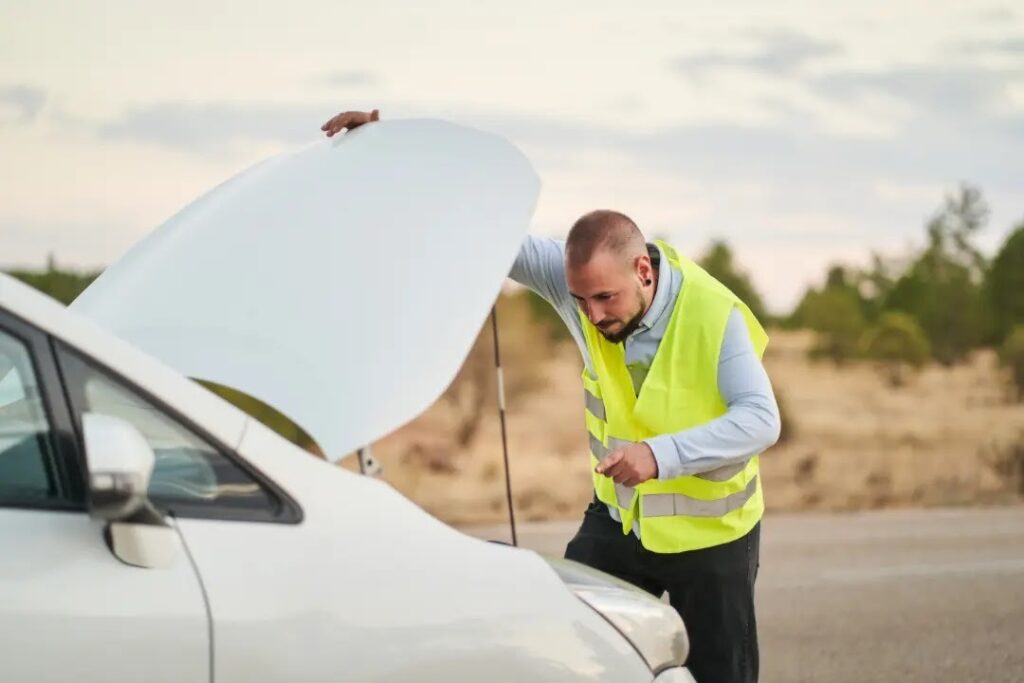
Panicking during a breakdown and staying calm
Panic narrows focus, disrupts decision-making, and can lead to unsafe actions, for example, braking hard in a live lane or opening a door into traffic. A short breathing exercise and a quick mental checklist restore clarity: take five slow breaths, put the gearbox in neutral/park, apply the handbrake, and switch on your hazard lights.
Then use a three-step prompt: check traffic, identify the nearest safe place, and decide whether to remain inside or exit. Mentally practising this checklist before you travel makes it easier to use if the worst happens.
Risks of not moving your vehicle to a safe location
Stopping in a live lane increases the chance of collisions, causes hold‑ups, and can lead to legal issues in some situations. But trying to move a vehicle that’s losing steering or brakes can create even greater hazards.
Check mirrors and the space around you, signal, and only attempt to reach a hard shoulder, layby, or a safe verge if the vehicle is controllable and it is legal to do so.
On motorways and high‑speed A‑roads, use the hard shoulder or emergency refuge areas when available; on narrow country lanes, pick a spot with clear visibility where other vehicles can pass. If moving the car would be unsafe, leave the hazard lights on, keep everyone clear of traffic, and call for professional help.
How should drivers best warn others and ensure roadside safety during a breakdown?
Simple, early warning cuts the chance of a secondary collision by giving approaching drivers time to react. Turn on hazard lights immediately, use sidelights or dipped headlights in low light, and only place a warning triangle if it’s safe to leave the vehicle. Keep occupants well away from the carriageway, behind a barrier if there is one, and use reflective clothing where possible. The steps below explain when to use each measure and why visibility matters.
Steps for warning other road users and improving roadside safety:
- Switch on hazard lights as soon as you stop to alert approaching traffic.
- Use dipped headlights or sidelights in poor light or bad weather to boost visibility.
- Only set out a warning triangle if it’s safe to exit the vehicle; place it according to the road type.
- Keep all occupants away from the carriageway and behind barriers where available.
These actions help you use visibility measures correctly and lead to the practical rules for placing triangles and using lights.
Using hazard lights and warning triangles effectively
Hazard lights are your primary visual signal; switch them on straight away after stopping to show other drivers you’re stationary.
Place warning triangles at sensible distances only when you can do so safely, typically about 45 metres on built‑up roads and up to 100 metres on faster roads. Never walk on the carriageway of a motorway or high‑speed dual carriageway to place a triangle; stay in the vehicle with seatbelts fastened and call for professional assistance instead.
Simple rules to remember, hazards on, triangle only if safe, and keep clear of traffic, help you act quickly without adding risk while you wait for recovery.
What are the critical safety steps to take immediately after a car breaks down on Kent roads?
Your priority is to be visible, reduce exposure, and get professional help when the vehicle can’t be moved safely. Stop in the safest available place, turn on hazard lights, and apply the handbrake; then decide whether the car can be moved without making things worse.
If you’re stuck in a live lane, keep occupants in a safe position and call recovery or emergency services depending on the situation. A short, clear checklist helps you decide quickly when to call a local recovery team for prompt removal and assistance.
Immediate action checklist and expected outcomes:
| Immediate Action | Purpose | Expected Outcome |
|---|---|---|
| Activate hazard lights | Make your vehicle visible to approaching traffic | Reduce the risk of a secondary collision |
| Move to a safe location (if possible) | Remove the car from the traffic flow | Clearer lanes and a safer place to wait |
| Secure the vehicle (handbrake, lights) | Prevent unintended movement | Reduced the chance of roll‑away or extra damage |
| Call for professional assistance | Get trained recovery and appropriate towing | Faster, safer removal and help with repairs |
Each action links directly to a safety benefit, and recognising when to call a professional recovery service avoids unnecessary roadside risk.
If you need local assistance in Kent, Reds Recovery Services operates in the area with 24/7 cover and fast responses for car and van recovery, jump starts, and transport.
Contacting a local provider quickly reduces the time you spend exposed and gets a trained team to the scene faster.
Staying inside the vehicle or exiting in risky situations
Whether to stay in the car or get out depends on the road type and immediate danger. On a motorway hard shoulder, you’re usually safer inside with seatbelts fastened and doors closed unless there’s fire or another immediate threat.
On slow country roads with good visibility, it may be safer to exit and stand well away from traffic behind a barrier or hedge, but only if everyone wears reflective clothing.
Use a quick rule: if you’re on a high‑speed carriageway or there’s no safe shoulder, stay inside; if you can reach a protected area without stepping into traffic, leave the vehicle carefully. That practical flow helps you pick a secure waiting position until help arrives.
When and how to call for professional roadside assistance in Kent
When you call for recovery, give a clear location, vehicle make and colour, registration if you have it, a short description of the fault, and whether anyone is hurt. That information helps the provider send the right vehicle and tools quickly.
If there’s immediate danger, fire, or injury, call emergency services first. For mechanical failures without injury, contact a roadside recovery company.
Have these details ready: your position (mile marker, junction, or nearest landmark), vehicle details (type and registration) and a short symptom summary (won’t start, loss of power, puncture).
Reds Recovery Services operates locally with 24/7 coverage and fast response times; when you call, they’ll ask for the same details and advise where to wait safely until the crew arrives.
Giving this information clearly cuts delays and helps the recovery team bring the right equipment for a tow or jump start.
| Call Detail | Why It Matters | Example |
|---|---|---|
| Exact location | So the team can find you quickly | Junction name, layby, or nearest landmark |
| Vehicle description | Ensures the right recovery vehicle is sent | Colour, make, registration |
| Problem summary | Helps determine necessary tools and crew | Battery failure, tyre damage, immobilised engine |
Keeping these core details to hand is the fastest route to professional help and a safer outcome.
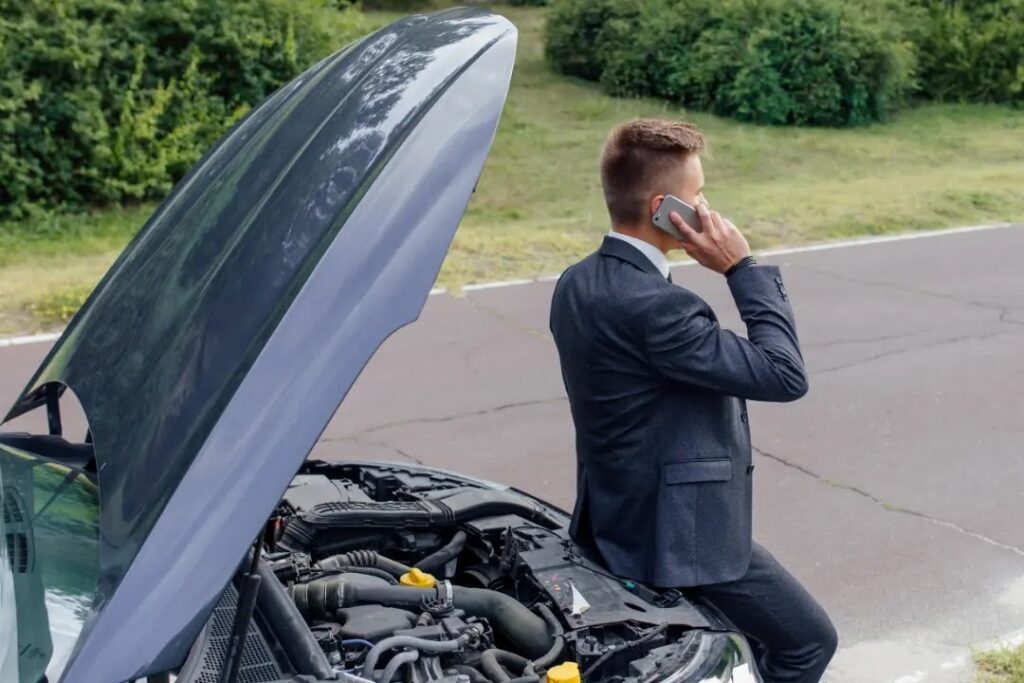
How can Kent drivers prevent vehicle breakdowns and avoid common mistakes?
Most breakdowns are preventable with regular checks, prompt attention to dashboard warnings, and a few seasonal inspections. A simple maintenance checklist focused on battery health, tyre condition, fluid levels and visible wear cuts the chance of roadside failure and catches faults while they’re cheap to fix.
Do basic checks monthly and arrange a professional inspection at least once a year or before long trips to spot problems that could leave you stranded.
The table below sets out common causes, preventive actions, and recommended frequencies to help you plan routine care and reduce the risk of a breakdown.
| Component | Preventive Action | Recommended Frequency |
|---|---|---|
| Tyres | Check pressure and tread depth; repair punctures promptly | Check pressure monthly; inspect the tread at the same time |
| Battery | Look for corrosion at terminals, test capacity, and replace if weak | Visual check monthly; professional test annually |
| Engine oil & coolant | Check levels and top up or service as needed | Monthly visual checks; follow manufacturer service intervals |
| Belts & hoses | Inspect for cracks, wear, or leaks | Every 6 months or at service intervals |
These straightforward checks lower the chance of roadside failure and combine DIY vigilance with scheduled professional servicing.
Regular maintenance checks to avoid breakdown causes like battery and tyre issues
Some basic DIY checks catch many common faults: check tyre pressure and look for bulges or uneven tread, inspect battery terminals for corrosion and ensure the battery is securely mounted, and check oil and coolant levels for leaks or low readings.
Monthly tyre pressure checks keep rolling resistance correct and reduce blowout risk; an annual battery test will reveal capacity loss before it causes a no‑start.
Do seasonal checks, particularly before winter and long summer trips, that include lights, wipers, and the charging system to avoid failures in poor conditions.
Regular attention to warning lights combined with these checks keeps your vehicle reliable and reduces the chance of emergency recovery.
Understanding and responding to your car’s warning lights early
Dashboard warning lights are your car’s way of telling you a system needs attention. Some lights signal urgent faults while others are advisory reminders. Priority indicators such as the battery light, oil pressure, or engine temperature require an immediate, safe stop and assessment; service reminders can usually wait for a booked garage visit but shouldn’t be ignored.
If a critical warning appears, pull over safely, secure the vehicle, consult the owner’s manual for immediate steps, and call recovery if the car can’t be moved without risk. Acting early prevents a small fault from turning into a roadside emergency.
| Warning Light | Urgency | Immediate Action |
|---|---|---|
| Battery symbol | High | Stop when safe; call assistance if the car won’t start |
| Oil pressure | High | Stop immediately; do not continue driving |
| Engine temperature | High | Stop safely; allow to cool and check the coolant |
| Service required | Medium | Arrange a professional inspection soon |
The table makes urgency and immediate responses clear so you can make quick decisions that protect both people and the vehicle.
Frequently Asked Questions
What Should I Do If My Vehicle Breaks Down In A Remote Area?
Prioritise safety: stay inside with seatbelts fastened if you’re on a busy road and switch on hazard lights to increase visibility. Call for roadside assistance and give your exact location. If it’s safe to exit and you have a reflective vest, put it on before leaving the vehicle. Don’t attempt repairs unless you’re trained and it’s safe to do so.
How Can I Prepare My Vehicle For Long Trips To Prevent Breakdowns?
Do a pre-trip check: tyre pressure and tread, fluid levels (oil, coolant, brake fluid), and all lights. For older cars, have a mechanic give the vehicle a quick inspection before a long journey. Carry an emergency kit with a first aid kit, torch,h, and basic tools. Regular servicing and addressing dashboard warnings quickly greatly reduces the chance of a breakdown.
What Are The Signs That My Vehicle May Be At Risk Of Breaking Down?
Watch for unusual noises (grinding or knocking), dashboard warning lights (battery or oil pressure), poor starting or loss of power, fluid leaks, or a burning smell. Monitoring these signs and dealing with them early helps prevent an unexpected roadside failure.
How Can I Ensure My Safety While Waiting For Roadside Assistance?
On a busy road, stay inside with the doors locked and keep hazard lights on. If you must leave the vehicle, do so carefully and move well away from traffic, ideally behind a barrier. Wear reflective clothing if you have it, keep your phone charged, and follow the recovery provider’s instructions for where to wait.