Flatbed towing lifts the whole car onto a level deck so the chassis, suspension, and driven wheels stay still during transport. That simple difference prevents scraping, reduces drivetrain stress, and protects paintwork.
Below, we explain how flatbeds work, why they’re usually the safer choice for prestige and performance cars, and which scenarios make flatbed the best option.
If you own a low-clearance, AW, D, or electric vehicle, this guide gives clear, practical rules to protect value and avoid costly repairs, plus a quick look at how local Kent specialists handle damage-free recovery.
What is Flatbed Towing and How Does it Protect Luxury Cars?
Flatbed towing means loading a vehicle onto a flat, secure deck and carrying it with all wheels off the road. The main protection comes from elevation: the car never scrapes the road or towing equipment, so splitters, spoilers, and undertrays are safe.
Operators use low-approach ramps and a winch to pull cars on gently, then secure them with soft straps and wheel chocks to avoid pressure marks or paint contact.
For cars with carbon‑fibre panels, delicate diffusers, or aftermarket aero parts, these steps preserve both cosmetic condition and mechanical integrity. That’s why flatbeds are usually recommended over two-wheel methods for high-end cars.

Flatbed Towing vs Traditional Towing Methods
Wheel-lift and tow-dolly methods leave some wheels touching the road. That can stress transmissions on AWD cars, strain steering linkages on advanced systems, or scuff tyres and low chassis on cars with limited clearance.
Flatbeds remove those risks by taking the vehicle off the surface entirely and using a deck, winch, soft straps, and rubber chocks to spread the load and protect finishes.
Typical damage from traditional towing, scraped belly pans, bent spoilers, or transmission drag, is much less likely when a vehicle is loaded correctly onto a flatbed.
Safety Advantages of Flatbed Towing for Prestige Vehicles
Luxury cars often have low spoilers, composite splitters, and finely tuned suspensions that are vulnerable to contact or deformation. Flatbeds avoid contact with obstacles and the towing rig, preventing micro-scratches and panel stress that can hit resale value.
Mechanically, lifting the whole vehicle protects transmissions, differentials, and electric drivetrains from being driven without proper lubrication or cooling. Avoiding small repairs and drivetrain servicing preserves value and reduces long-term ownership costs, a clear saving for high-cost components.
What are the Key Benefits of Flatbed Towing for Luxury Cars?
Flatbed towing offers clear, owner-facing benefits that protect high-value vehicles during recovery and transfer. With no wheel contact on the road, flatbeds stop undercarriage scraping, protect complex drivetrains, and avoid adding wear or miles during non-operational moves.
This method is ideal for non-running cars, long showroom transfers, and accident vehicles needing careful cosmetic attention. Below are the main benefits in plain terms.
Flatbed towing provides these key benefits:
- Damage prevention: The entire vehicle is lifted to avoid scraping and contact with the towing rig.
- AWD/EV protection: Wheels don’t turn, so transmissions and electric drivetrains aren’t stressed.
- No added wear: Transport won’t add mileage or stress to the car.
- Secure long-distance moves: Vehicles are stabilised for motorway travel and organised transfers.
Together, these benefits help reduce repair bills, protect resale value, and give owners confidence when moving high-value cars. The table below links specific flatbed features to the damage they prevent so you can ask the right questions of your recovery provider.
Introduction to an equipment-to-outcome comparison:
| Flatbed Feature | Protective Mechanism | Prevented Damage |
|---|---|---|
| Low-approach deck | Shallow ramp angle for gentler loading | Front splitter and bumper scraping |
| Soft straps and padding | Non-abrasive securing points | Paint scratches and pressure marks |
| Full-wheel lift + chocks | Immobilises wheels and drivetrain | Transmission drag and tyre wear |
| Enclosed or low-profile rollback | Weather and debris protection | Water ingress and exterior abrasion |
This mapping shows how specific flatbed features address common failure points on premium cars. Use it to confirm equipment and capability before booking transport.
Preventing Undercarriage and Paint Damage with Flatbed Towing
Correct loading and the right hardware are the main defences. Low-approach ramps reduce the angle the car must climb, lowering the risk that a low splitter hits the ramp lip. Soft straps and padded contact points are used instead of steel hooks, and rubber chocks or wheel nets hold tyres without concentrating pressure on rims or paint.
Winch pulls are slow and monitored to avoid sideways rubbing on bumpers or sills. Together, these steps form a loading sequence that protects both surfaces and trim.
Flatbed Towing for AWD and Electric Luxury Vehicles
Many AWD and electric vehicles are sensitive to wheel rotation during towing because some drivetrains depend on engine-driven lubrication or specific rotation patterns. Flatbeds stop wheel movement altogether, preventing internal components from running without proper lubrication or electrical safeguards.
For EVs, technicians also check battery state and thermal-management systems so transport doesn’t interfere with onboard protections. Proper full-lift procedures therefore remove key mechanical hazards associated with two-wheel towing.
Why is Specialized Flatbed Towing Important for Damage-Free Luxury Car Transport in Kent?
Local roads and technician experience matter for safe, fast recovery in Kent. Narrow lanes, coastal exposure, and event traffic can create awkward loading angles and limited access that need specialist rigs and practised crews.
A Kent-based recovery team knows which routes avoid steep approaches and can plan quick handoffs to nearby specialist workshops or secure storage. That local knowledge reduces time at the scene and lowers exposure to theft or bad weather, improving outcomes for owners who demand damage-free transport.
Introductory EAV table showing local factors and provider capabilities:
| Local Factor | Capability or Attribute | Outcome for Owner |
|---|---|---|
| Narrow rural lanes | Low-approach rollback availability | Safer loading without reversing onto a narrow verge |
| Coastal exposure | Enclosed transport options | Reduced salt and moisture exposure during transit |
| Proximity to specialist workshops | Fast transfer coordination | Quicker access to authorised service and reduced downtime |
This table highlights how Kent-specific factors combine with specialised equipment to shape recovery results. Operators who match vehicle needs to local constraints reduce risk and protect high-value assets.
Reds Recovery Services is a Kent-based recovery and transport provider offering 24/7 assistance, fast response times, and a full range of services from breakdown recovery to secure car transport.
Our local experience and rapid crews help cut scene time and limit exposure to weather or security risks, useful when handling prestige cars. Owners looking for specialist flatbed transport in Kent should choose a local team with trained operators and the right equipment for the job.
The Role of Local Expertise in Secure Luxury Vehicle Transport
Experience changes how a scene is read. Skilled technicians pick the safest loading position, manage tight turns, and coordinate handoffs to specialist workshops. They use chocks and fenders correctly and control winches to avoid lateral strain on bumpers.
They also manage paperwork and chain-of-custody, so care instructions are followed. These practices shorten recovery time and reduce the chance of incidental damage; local expertise equals lower physical and logistical risk.
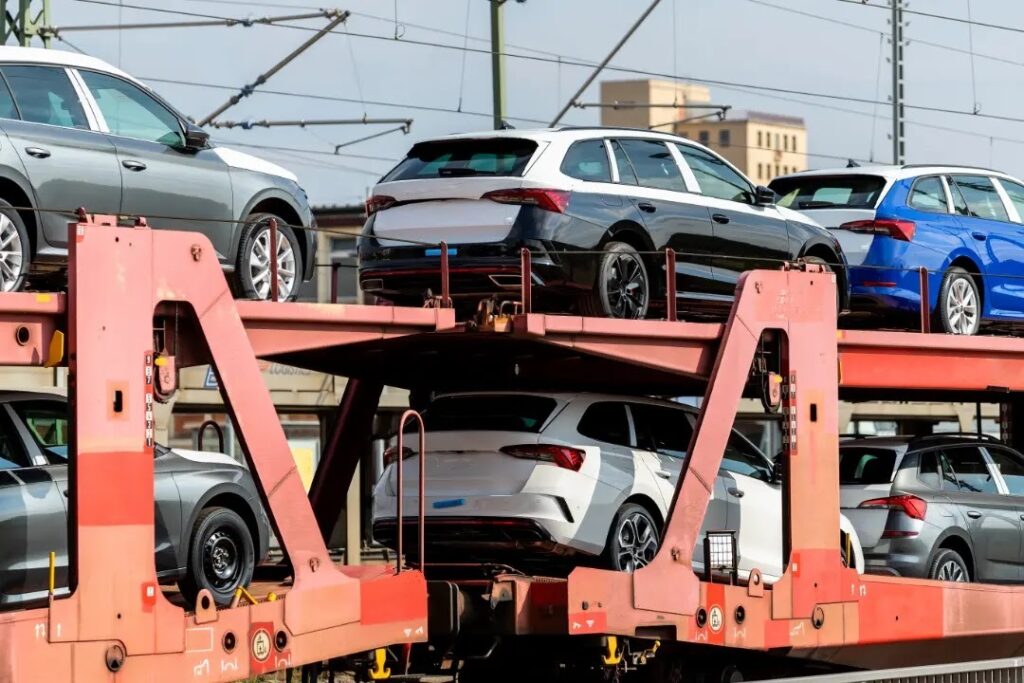
File Location: https://drive.google.com/file/d/1OxYKD8-hhKK-gkmUUQudHHuYNwrLfAmB/view?usp=sharing
Alt Tag: The Role of Local Expertise in Secure Luxury Vehicle Transport
Specialized Equipment and Handling for Safe Prestige Car Transport
The right gear and routines make a real difference: low-profile rollback decks, soft-strap securing systems, rubber chocks, deck padding, and optional enclosed trailers for full weather protection. Protocols include methodical winch techniques, two-person loads for alignment, and pre-load inspections that record paint and trim condition.
Training in winch control, strap tensioning,g and EV/AWD precautions ensures each vehicle’s needs are respected. Insured, documented handling adds another layer of owner protection.
When Should Luxury Car Owners Choose Flatbed Towing Services?
Choose flatbed towing when the vehicle’s design, drivetrain, or condition makes two-wheel methods risky. Typical rules of thumb: pick a flatbed for low-clearance cars, AWD and 4×4 drivetrains, electric or hybrid vehicles, non-running cars, and any long-distance showroom or workshop transfer.
Flatbeds are also the right choice when you need unused-mileage transport or cosmetic preservation. These simple rules help owners decide quickly on-scene or when planning a move.
Common scenarios are summarised in this decision list to help owners evaluate urgency and preferred action:
- Low-clearance or aftermarket-body vehicles: Use a flatbed to avoid scraping.
- AWD or 4×4 drivetrains: Use a flatbed to prevent transmission stress.
- Electric vehicles or hybrids: Use a flatbed to protect e-drive systems and battery management.
Following these rules makes on-the-spot choices easier and helps you tell recovery teams exactly what you need. When unsure, flatbed transport is the conservative, value-preserving option.
Reds Recovery Services matches these scenarios with emergency recovery and planned car transport across Kent, offering rapid response for breakdowns and accidents and secure transfer capacity for high-value vehicles. If you need immediate help, contact a local 24/7 recovery specialist to discuss flatbed availability and handling for your car.
Common Situations Requiring Damage-Free Luxury Car Recovery
Prestige cars often need flatbed recovery after mechanical immobilisation, collisions with cosmetic damage, or when stuck on uneven ground, where low clearance complicates winch angles. Planned transfers to a showroom, concours, or specialist service also benefit from flatbed choice to avoid adding miles or exposing the car to road debris.
Each case needs a tailored approach: accident cars require padded support and careful lifting, immobile cars need winch techniques that protect bodywork, and planned moves can use enclosed options for maximum protection.
Peace of Mind for High-Value Vehicle Owners with Flatbed Towing
Flatbeds reduce uncertainty by protecting visible condition and mechanical integrity, which cuts potential repair costs and owner stress. Pre- and post-load checks, trained crews, and equipment matched to each car create predictable outcomes and reassure owners that resale value and appearance are being looked after.
That trust grows when local teams offer 24/7 availability and rapid response, reducing exposure time after a breakdown or collision and limiting additional weather or security risks.
Frequently Asked Questions
What Types Of Vehicles Benefit Most From Flatbed Towing?
Flatbed towing is ideal for luxury cars, all-wheel-drive (AWD) vehicles, electric vehicles (EVs), and low-clearance models. These cars have sensitive components that traditional towing can harm. Flatbeds keep wheels off the road to avoid drivetrain stress and cosmetic damage. Non-running vehicles and long-distance showroom or service transfers also benefit from flatbed transport.
How Can I Ensure My Luxury Car Is Handled Properly During Flatbed Towing?
Pick a reputable service that specialises in high-value cars. Ask that operators use soft straps, padded contact points, and low-approach ramps, and confirm they perform a pre-load inspection to document condition. Clear instructions about aftermarket parts or handling quirks help the crew take the right precautions.
Are There Specific Regulations For Towing Luxury Vehicles?
There aren’t special laws just for luxury cars; general towing regulations and safety standards apply. What matters is the operator’s training and equipment. Ask about certifications, experience with high-value vehicles, and insurance to make sure best practices are followed.
What Should I Do If My Luxury Car Is Damaged During Towing?
Document the damage immediately with photos and notes, then contact the towing company to report the issue and check their insurance. Keep all communications and any paperwork from the tow; reputable operators carry liability cover and will guide you through a claim.
Can AWD and Low-Clearance Luxury Cars Be Safely Towed Using Flatbeds?
Yes. AWD and low-clearance cars are well suited to flatbed towing because full-lift methods remove wheels from the road, and low-approach decks avoid scraping during loading.
Operators perform vehicle checks, parking brake status, neutral gear or manufacturer tow settings, and secure soft-strap points, to ensure safe transport. These precautions make flatbeds the recommended method for most AWD, 4×4, and low-clearance luxury vehicles.
For immediate assistance or to arrange specialised flatbed transport in Kent, contact a local 24/7 recovery and transport provider with trained operators experienced in handling high-value vehicles.
- When to call: If your vehicle is immobile, has low clearance, or is AWD/EV, request flatbed service.
- What to request: Ask for a low-approach rollback, soft-strap securing, and documentation of condition.
- What to expect: A trained two-person team, winch-assisted loading, and secure transport to a pre-agreed location.
| Equipment | Attribute | Owner Benefit |
|---|---|---|
| Low-approach rollback | Shallow ramp + hydraulic deck | Minimises front-end scraping |
| Soft-strap systems | Padded, non-abrasive contact | Protects paint and trim |
| Enclosed trailer option | Weather and debris shielding | Preserves exterior finish during long transfers |