Motorway Breakdown Assistance & Safety Tips in Kent: Fast, Reliable Recovery Services
Motorway breakdown assistance covers the immediate steps and professional recovery needed when a vehicle fails on a motorway, and this guide explains how to stay safe and get help quickly in Kent.
You will learn practical safety procedures for hard shoulders and smart motorways, which services to expect from local recovery providers, and how cost factors influence quotes and choices.
The article focuses on high-risk scenarios on routes such as the M20 and A2, explains what to do first, and previews which emergency services and recovery options are appropriate.
Readers will also find checklists to use at the roadside, comparisons of service types, and clear tables summarising actions and typical pricing influences.
This resource uses current guidance and local recovery practices to help drivers reduce risk, make informed decisions, and contact fast assistance when needed.
How Can Reds Recovery Services Help with Motorway Breakdowns in Kent?
Motorway breakdown assistance is the rapid-response support that secures a vehicle and its occupants, removes hazards, and transports the vehicle to safety or a chosen destination. The service works by dispatching trained technicians with appropriate equipment to perform on-scene repairs, provide jump starts, and recover vehicles when they are not roadworthy. Immediate benefits include reduced time spent in live lanes, professional handling of damaged vehicles, and clear next steps for drivers waiting for help. For urgent assistance on Kent motorways, Reds Recovery Services offers local recovery tailored to M20 and A2 incidents, emphasising 24/7 availability, fast response times, and transparent pricing.
When calling for help, provide concise details so responders can locate you quickly.
- Your exact motorway (for example, M20 or A2) and nearest junction or mile marker.
- A brief description of the fault and whether the vehicle is in a live lane or on the hard shoulder.
- The vehicle type and whether passengers are safe and off the carriageway.
These details speed up dispatch and improve scene safety. If you need immediate assistance, contact Reds Recovery Services on 01634 926801 for a local response.
What Makes Our M20 and A2 Breakdown Assistance Unique?
Local motorway recovery relies on route knowledge, rapid dispatch, and familiarity with common hotspots, which together reduce response times and improve safety. Reds Recovery Services focuses on M20 and A2 corridors where understanding junction layouts, service areas, and typical congestion patterns allows technicians to reach callers faster. This local expertise shortens the time a vehicle and its occupants spend exposed on the hard shoulder or verge, minimising risk from passing traffic. Case examples from routine callouts show quicker location and clearance compared with non-local operators, which helps clear incidents and restore traffic flow efficiently.
Such route-specific knowledge also improves communication with National Highways and emergency services when liaison is required. Knowing common breakdown clusters around towns like Maidstone and Medway helps technicians anticipate access challenges and select the safest recovery method for each scenario.
Which Vehicle Types Do We Support for Emergency Recovery?
Emergency recovery providers cover a broad range of vehicle types, and proper equipment and training determine safe handling across categories. Reds Recovery Services supports cars, vans, motorcycles and electric vehicles, with procedures adapted for each type to avoid further damage. For motorcycles, secure transport and cradle systems prevent movement during loading, while electric vehicle (EV) recovery follows battery-safe protocols and specialist flatbed handling when required. Technicians carry jump leads, flatbed tow equipment, and secure straps suited to different vehicle weights and frames to ensure safe transit.
Drivers should state vehicle type when calling so the right equipment is dispatched. This pre-notification prevents delays and ensures technicians arrive prepared for EV-specific handling or motorcycle cradle requirements.
What Are the Essential Safety Tips During a Motorway Breakdown?
Essential motorway safety begins with removing immediate danger and making the vehicle visible, then seeking professional help and waiting safely away from traffic. Start by switching on hazard lights, attempting to pull onto the hard shoulder if it is safe, and stopping the vehicle as far left as possible. Exit on the passenger side and move behind a safety barrier or well away from the carriageway, keeping children and pets close. Do not attempt roadside repairs in live lanes; instead, call emergency services or a recovery provider and wait in a safe location.
Follow this numbered checklist for rapid action:
- Signal and slow progressively: indicate left and steer cautiously to the hard shoulder.
- Switch on hazard lights: make your vehicle visible to approaching drivers.
- Exit safely on the offside: leave via the passenger door and move to a safe location.
- Call for help: use roadside emergency phones or contact a recovery service.
These steps protect you from live traffic and create a safe environment for arriving technicians. Understanding these basics leads directly to more specific protocols for hard shoulders and smart motorways.
The table below summarises immediate actions for common scenarios and why they matter.
| Scenario | Immediate action | Why it matters |
|---|---|---|
| Hard shoulder stop | Signal, pull fully left, hazard lights on, exit left side | Keeps vehicle clear of live lanes and reduces collision risk |
| Smart motorway lane stop | Activate hazards, move to nearest refuge area or safe verge if possible | Prevents exposure to high-speed live lanes on dynamic carriageways |
| EV breakdown | Turn off vehicle systems, avoid touching high-voltage components, wait for trained recovery | Reduces risk of electric shock and battery-related hazards |
What Steps Should You Take if Your Vehicle Breaks Down on the Hard Shoulder?
A hard shoulder breakdown requires fast, calm action to reduce exposure to fast-moving traffic and to make the vehicle visible to responders. Signal and steer onto the hard shoulder as far left as you can, then switch on hazard lights immediately to alert other drivers. Exit the vehicle on the passenger side if it is safe, and move everyone behind the safety barrier or well away from the carriageway, remaining visible but protected. Use a roadside emergency phone if available to contact National Highways, or call a local recovery provider and explain your exact location.
Knowing when to dial 999 is important: if anyone is injured or the vehicle is creating an immediate hazard, call emergency services for police and ambulance support. These steps prioritise life and limb while waiting for recovery.
How to Stay Safe on Smart Motorways and Use Emergency Refuge Areas?
Smart motorways remove the continuous hard shoulder, so following smart-motorway protocols is critical to avoid live-lane exposure. If you have a problem on a smart motorway, turn on hazards and attempt to reach an emergency refuge area (ERA) if one is clearly accessible and safe to reach. If you cannot reach an ERA, remain in the vehicle with seatbelts fastened if the carriageway is unsafe to exit, and use a roadside emergency phone if possible to contact National Highways. Alert your recovery provider to the live-lane location so they can liaise with traffic control for safe access.
These precautions reduce risk from live lanes managed dynamically and ensure that National Highways can close lanes or provide traffic management for a safe recovery. Understanding smart motorway rules makes waiting for help significantly safer.
Which Services Does Reds Recovery Offer for Emergency Vehicle Recovery in Kent?
Emergency vehicle recovery services cover immediate roadside assistance, safe removal of vehicles, and onward transport to a location you choose. Reds Recovery Services provides jump starts, emergency roadside repairs where safe, flatbed car transport and full vehicle recovery for incidents on the M20, A2 and surrounding Kent roads. Their UVPs include 24/7 availability, fast local response and transparent pricing that helps drivers understand likely costs before committing to recovery. These services support cars, vans, motorcycles and EVs with standardised safety checks and professional handling.
Below is a concise list of core services offered by Reds Recovery Services:
- Jump Start: on-scene battery assistance to get vehicles moving when possible.
- Emergency Recovery: safe removal from live carriageways to a safe place.
- Car Transport: flatbed transport to a garage, home address or nominated location.
This service mix balances immediate on-scene remedy with secure transport options for non-drivable vehicles and leads into a compact comparison of typical service capabilities.
The table below compares key service attributes for quick decision-making.
| Service | Attribute | Typical value |
|---|---|---|
| Jump Start | Response time | Fast on-scene check and attempt to start |
| Emergency Recovery | Vehicles supported | Cars, vans, motorcycles, EVs |
| Car Transport | Typical scenario | Immobilised vehicle requiring flatbed transit |
How Does Our Jump Start Service Work for Motorway Breakdowns?
A jump start service begins with a safety assessment, battery and alternator checks, and a controlled start attempt using insulated jump leads or a specialist battery pack. Technicians first ensure the scene is safe, switch off vehicle electrical systems, and connect jump leads following manufacturer protocols to avoid damage. If the vehicle starts and systems stabilise, you will be advised to drive to a nearby garage for a battery and electrical system check; if it does not start, the technician will recommend recovery to a workshop. This process minimises risk and clarifies whether further mechanical intervention is necessary.
If the issue is an alternator or deeper electrical fault, jump starting is only a temporary solution and recovery for diagnostic work will be advised. Preparing by keeping known vehicle details ready speeds up this service.
What Are the Benefits of Our Car Transport Services After a Breakdown?
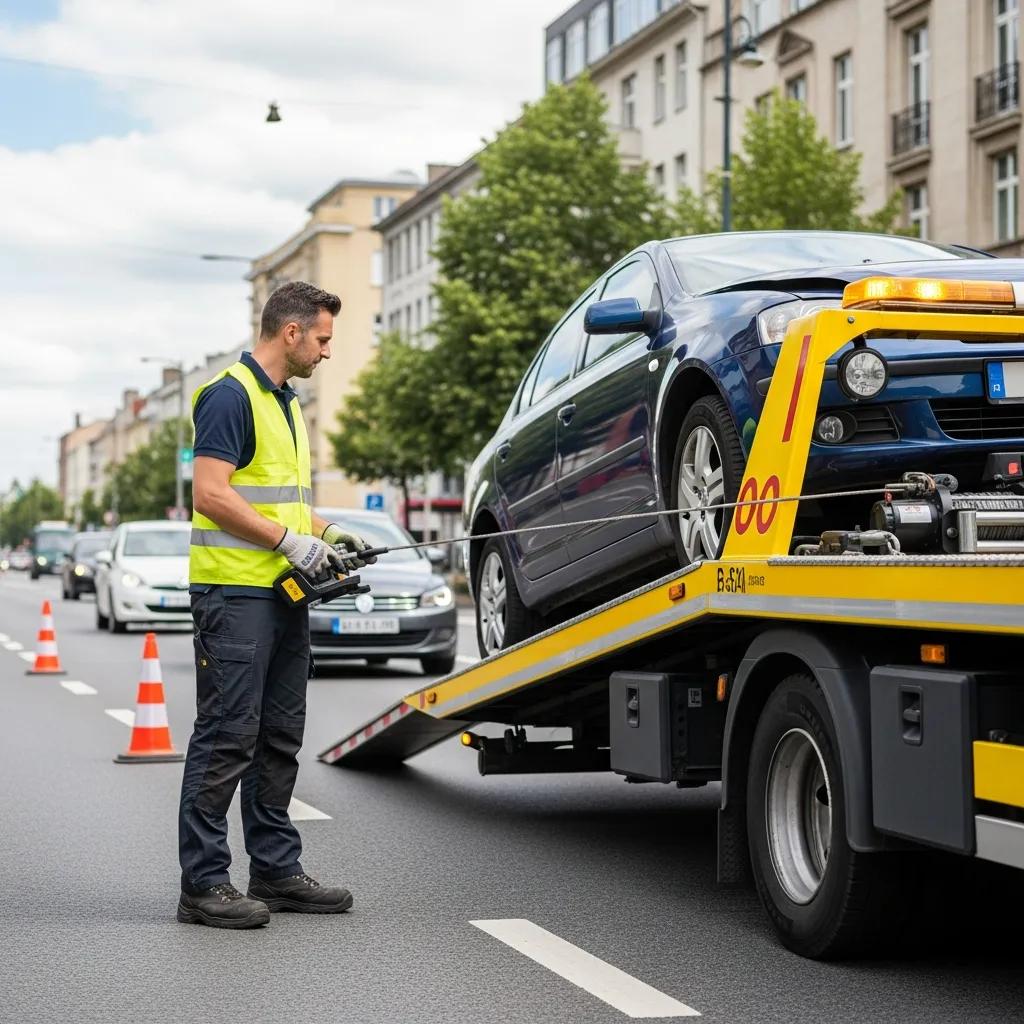
Flatbed car transport prevents additional damage that can occur with traditional towing and is the preferred method for damaged, lowered or EV vehicles. A flatbed secures the entire vehicle on a stable platform, eliminating wheel lift stress and reducing the risk of body or drivetrain damage during transit. Transport to a nominated destination — home, a preferred garage, or a storage facility — gives owners control over post-recovery arrangements. Operators trained in loading and securing vehicles maintain compliance with insurance and safety expectations, which reassures drivers and insurers alike.
Choosing professional transport preserves resale value and avoids compounding mechanical damage, making it the safest option for impaired or high-value vehicles.
How Can You Understand and Manage Vehicle Recovery Costs in the UK?
Understanding recovery costs begins by recognising main price drivers such as time of day, distance, vehicle type and incident complexity, and then comparing local quotes and insurance coverage. Costs rise when incidents occur during busy night hours, in live-lane situations requiring traffic management, or when specialist equipment for EVs or heavy vehicles is necessary. Checking whether your breakdown cover or insurance policy includes motorway recovery is essential before paying for services out of pocket. Transparent pricing and clear quotes help you choose the most cost-effective, safe recovery option.
Key factors influencing price are listed next to help you estimate likely costs before calling for a quote.
- Distance towed or transported.
- Complexity of recovery (live lane, rollover, immobilised EV).
- Time and resource demand (night, traffic management, specialist equipment).
These factors guide the typical cost ranges provided in the table below and show when additional charges may apply.
| Factor | Attribute | Typical cost / Price range |
|---|---|---|
| Distance | Short local tow | Lower range depending on miles |
| Complexity | Live-lane or accident recovery | Higher due to safety management |
| Vehicle type | EV or large van | Additional handling charges possible |
This table clarifies why quotes vary and why providing accurate incident details yields a reliable price estimate. For precise pricing guidance, Reds Recovery Services offers transparent quotes and further information on their UK Vehicle Recovery Costs guidance — call 01634 926801 for an immediate estimate and clarification of what your cover may include.
What Factors Influence Motorway Breakdown Recovery Pricing?
Pricing depends on objective variables that affect resources, time and risk management for the recovery operator. Distance is a primary driver: longer tows use more fuel and time, increasing cost. Complexity is another major driver: incidents in live lanes, at night, or involving EVs or heavy vehicles require extra personnel and equipment, raising fees. Demand and availability also affect urgent callouts; local operators may adjust pricing for peak times versus off-peak. Providing clear incident details when requesting a quote helps obtain an accurate price and avoids surprise charges.
Understanding these factors enables motorists to compare local quotes effectively and decide when to use breakdown cover, insurer-arranged recovery, or local pay-on-call services.
How Does Local Recovery Compare to National Providers in Kent?
Local recovery operators typically offer faster local response, route familiarity and personalised handling, while national providers can provide wider geographic coverage and membership benefits. A local Kent operator can reach M20 and A2 incidents quicker due to proximity and knowledge of congested junctions, often reducing time spent exposed to traffic and shortening clearance times. National providers may offer comprehensive membership packages and standardised processes that suit frequent travellers. Choosing between local and national depends on priorities: speed and local expertise versus membership perks and uniform national coverage.
For many Kent motorists, a blend of local responsiveness and transparent pricing delivers the best outcome for safety and cost management. If you require immediate local assistance, calling a nearby recovery service like Reds Recovery Services on 01634 926801 connects you with rapid. assistance